

Your generator kept the lights on this summer during storms, outages, and more. The question now is whether it will do it again next time. Whole home generator maintenance is what separates a backup system that starts on the first try from one that fails right when you need it most.
If you installed a generator ahead of storm season and haven’t thought about it since, you’re not alone, and you’re not too late. We’ll walk through how often to service your unit, what a maintenance visit actually covers, and which tasks you can handle yourself versus when to call in a generator maintenance professional.
Generator Maintenance at a Glance
- Most whole home generators need professional service twice a year, ideally before and after storm season.
- Skipping maintenance is one of the top reasons generators fail to start during an outage.
- Battery health, fuel supply, and air filters are the most common points of failure.
- Homeowners can safely handle basic visual checks and self-test monitoring between visits.
- Anything involving fuel lines, electrical connections, or the transfer switch should go to a licensed technician.
How Often Should You Service Your Whole Home Generator?
Most manufacturers recommend a professional maintenance visit every six months, with an additional oil change after roughly every 100 to 200 hours of run time. For homeowners in Picayune, Carriere, and the surrounding area, that generally lines up with a spring check before hurricane season and a fall check once storm season winds down.
Manufacturer guidelines typically call for:
- An annual comprehensive inspection covering the engine, battery, and transfer switch.
- A secondary check-up roughly six months later, focused on filters, fluids, and self-test logs.
- Oil and filter changes, based on run hours rather than the calendar, especially after extended outages.
Following the manufacturer’s schedule keeps your warranty intact and gives a technician the chance to catch small issues before they become no-start emergencies.
What Does a Generator Maintenance Visit Include?
A thorough visit is more than a quick glance under the hood. A technician is checking the systems that actually determine whether your generator starts and keeps running during an outage.
A complete generator maintenance visit typically covers:
- Battery voltage, terminals, and charging system
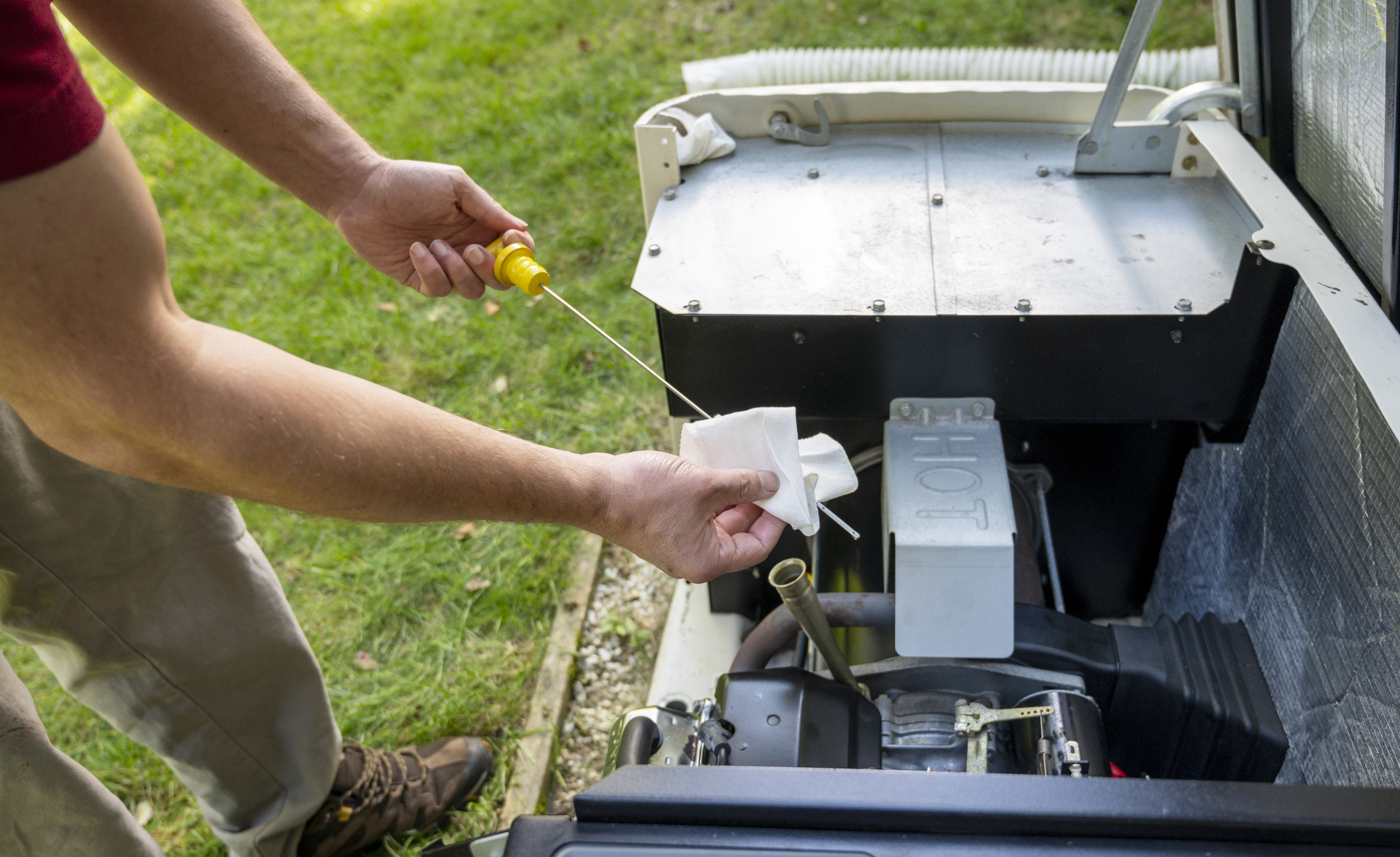
- Oil level, oil pressure, and filter condition
- Air filter and cooling system airflow
- Fuel supply, including natural gas or propane line connections
- Transfer switch operation and automatic self-test cycles
- Exhaust system and carbon monoxide sensor function when equipped
Each of these plays a role in reliability, and a technician can spot early wear that’s easy to miss from the outside.
What Are the Warning Signs Your Generator Needs Service?
Between scheduled visits, a few signs suggest your generator needs attention sooner rather than later:
- Error codes or warning lights during the weekly self-test
- A longer-than-usual startup during self-test cycles
- Visible corrosion on the battery terminals
- Unusual noise, vibration, or exhaust smell during operation
- A self-test that doesn’t run at all
If you notice any of these, it’s worth having a technician take a look before the next storm rather than after.
Can You Maintain a Honeywell Generator Yourself?
Mike’s installs Honeywell whole home generators, and like most standby systems, they’re built to run a weekly self-test automatically. That said, a self-test only confirms that the unit started. It doesn’t replace a full inspection.
What Can Homeowners Handle Themselves?
Between professional visits, homeowners can reasonably:
- Confirm the weekly self-test ran and completed without an error code
- Do a visual check for debris, standing water, or vegetation around the unit
- Keep the area around the generator clear for airflow and access
- Note any unusual sounds or smells for the technician’s next visit
What Should Only a Licensed Technician Handle?
Some tasks carry real safety and warranty risk if handled incorrectly, including:
- Fuel line connections and pressure testing
- Battery replacement and charging system diagnostics
- Transfer switch adjustments or repairs
- Any work involving the electrical panel or wiring
Carbon monoxide exposure from generators is a documented risk when exhaust systems aren’t properly maintained or vented, according to the CDC. That’s one more reason to leave anything beyond visual checks to a trained technician.
FAQs About Backup Generator Maintenance
How long does a generator maintenance visit take?
A standard maintenance visit usually takes 45 minutes to an hour, depending on the generator’s size and whether any parts need replacing. Visits that uncover a battery or fuel line issue may take longer to complete the same day.
What happens if I skip generator maintenance?
Skipping maintenance increases the odds your generator won’t start when you actually need it, often due to a dead battery, clogged filter, or fuel supply issue that would have been caught during a routine visit. It can also void the manufacturer’s warranty if service intervals aren’t documented.
Is generator maintenance covered under warranty?
Most manufacturer warranties require proof of regular maintenance to stay valid, but the maintenance visits themselves are typically a separate service cost. Check your specific warranty documentation or ask your technician what’s included.
Should I run my generator regularly, even without an outage?
Yes. The built-in weekly self-test handles this automatically on most whole home units, running the engine briefly to keep the battery charged and fluids circulating. If your self-test isn’t set up or hasn’t run recently, that’s worth flagging at your next service visit.
Keep Your Backup Power Ready for Whatever Fall Brings
Generator maintenance isn’t a one-time task after installation. It’s an ongoing routine that determines whether your system performs during a real outage. A twice-yearly schedule, paired with basic checks in between, is the simplest way to avoid a no-start surprise.
Schedule Your Fall Generator Maintenance Visit
Mike’s Heating & AC has serviced whole home generators throughout Pearl River County and into Southeast Louisiana for years, and we know these systems inside and out. Schedule your fall maintenance visit today by calling (601) 228-2312 in Mississippi or (985) 323-6545 in Louisiana, or request service online to get on the schedule.