

When the power goes out in South Mississippi or Southeast Louisiana, it rarely stays out for just a few minutes. Between summer thunderstorms and hurricane season, homeowners in Picayune and Carriere often face outages lasting hours or days. That’s why more families are looking into home generator installation before the next storm hits, not after.
If you’re weighing whether a whole house generator is worth it, knowing what the installation process actually involves can make the decision easier. This guide walks you through each step, from the first site visit to the moment your generator powers on for the first time.
Home Generator Installation At a Glance
- Most standby generator installations take one to two days from start to finish.
- A technician evaluates your property, gas line, and electrical panel before any work begins.
- Permits are typically required and pulled on your behalf.
- The automatic transfer switch is what allows your generator to kick on within seconds of an outage.
- A full startup test confirms the system works before the crew leaves your property.
Why Are Picayune Homeowners Choosing Standby Generators?
Power outages in this part of the Gulf Coast tend to follow a pattern: tropical storms, hurricanes, and severe summer weather. Extended power outages can disrupt communications, water, and transportation, close retail businesses and gas stations, cause food spoilage, and prevent the use of medical devices, according to Ready.gov.
For homeowners in Picayune, that means spoiled food, unsafe indoor temperatures, and disrupted work or medical needs. A whole house generator installation removes that uncertainty by keeping your home powered automatically, whether you’re there or not.
How Does the Generator Installation Process Work?
Once you schedule your installation, the process follows a consistent sequence designed to get your system running safely and correctly. Here’s what typically happens, in order:
- Site evaluation: A technician checks your electrical panel, gas line, and outdoor space to determine the best location for your unit.
- Permitting: Mike’s Heating & AC pulls the required permits on your behalf, so you don’t have to coordinate with the city yourself.
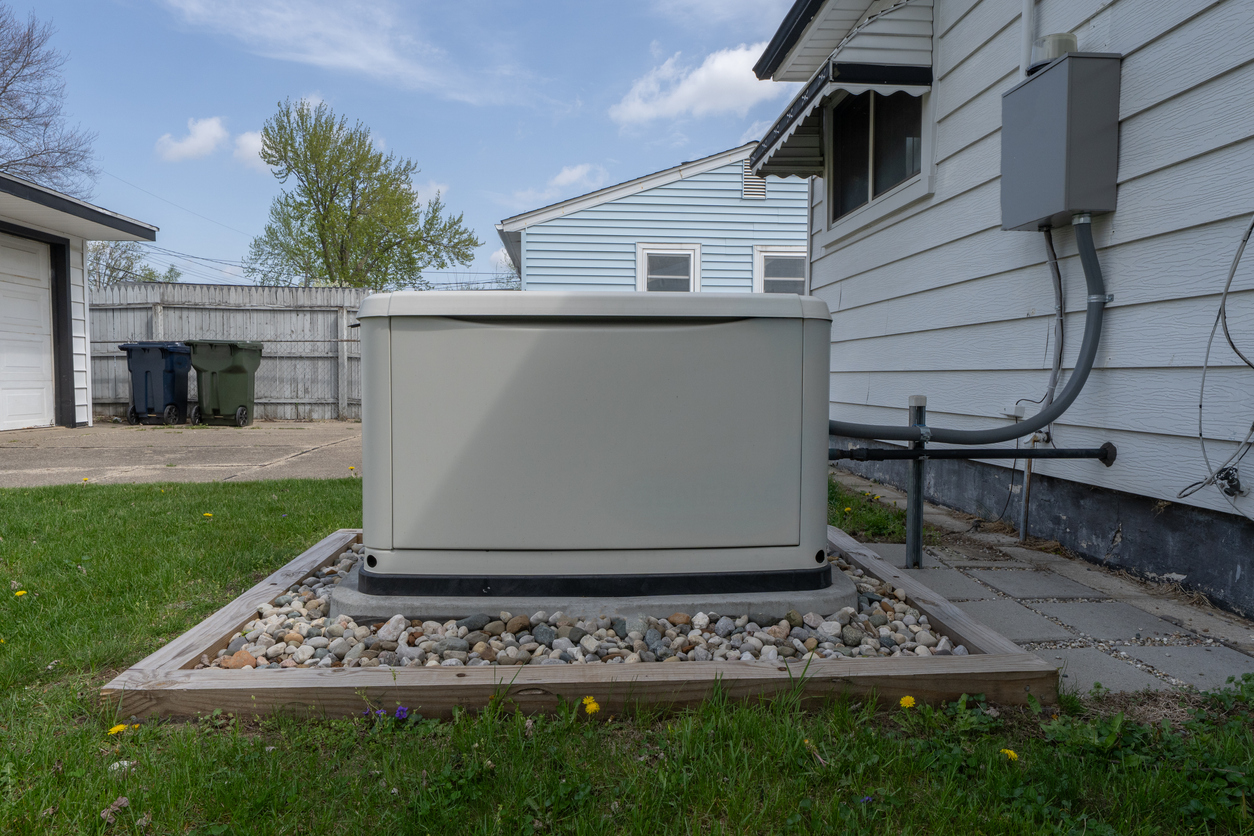
- Pad installation: Your crew sets a concrete or composite pad to keep the generator level and protected from ground moisture.
- Gas and electrical connections: Licensed technicians connect the unit to your natural gas or propane line and run the necessary wiring.
- Transfer switch installation: Your technician installs the component that automatically switches your home to generator power during an outage.
What Is an Automatic Transfer Switch?
The automatic transfer switch detects a power outage and switches your home to generator power, usually within seconds. It also automatically switches your home back to utility power once it’s restored, so you never have to flip anything by hand during a storm.
How Long Does Standby Generator Installation Take?
Most standby generator installations take one to two days, depending on the complexity of your electrical panel and how far the unit sits from your gas line. Homes with straightforward setups are often finished in a single day. Larger homes or properties needing panel upgrades may take a bit longer.
What Happens After Your Generator Is Installed?
Installation isn’t complete until your system has been tested and you understand how to use it. Before your crew leaves, expect the following:
- A full startup test confirming the generator powers on correctly and the transfer switch functions as expected.
- A circuit check to verify your home’s electrical system is receiving power the way it should.
- A walkthrough covering how self-testing cycles work and what routine maintenance to expect.
- A conversation about ongoing care, including our maintenance agreement plans, so your generator stays ready for the next outage.
Frequently Asked Questions About Home Generator Installation
Will a whole house generator power my entire home?
In most cases, yes. A properly sized whole house generator can power your entire home, including HVAC, appliances, and lighting, without you needing to prioritize circuits. Your technician calculates the correct generator size for your home’s electrical load during the initial evaluation. This ensures your system doesn’t come up short during an extended outage.
How much maintenance does a standby generator need?
Standby generators need periodic maintenance to stay reliable, similar to a vehicle engine. This typically includes oil changes, filter checks, and battery testing on a set schedule. Many homeowners choose a maintenance plan so these checks happen automatically without having to keep track themselves.
What brand of generator does Mike’s Heating & AC install?
Mike’s Heating & AC installs Honeywell standby generators for homes throughout Picayune and Southeast Louisiana. Honeywell generators are known for dependable performance during Gulf Coast storm seasons. Our technicians are trained specifically on Honeywell systems, from initial installation through long-term maintenance.
Your Home, Powered and Protected
Losing power during a storm doesn’t have to mean losing peace of mind. With the right standby generator installed correctly, your home stays powered, your family stays comfortable, and you avoid the guesswork of waiting out the next outage.
Ready to Get Started? Contact Mike’s Heating & AC Today.
Mike’s Heating & AC makes whole house generator installation simple from start to finish. Contact us or call 601-769-1026 (Mississippi) or 985-323-6545 (Louisiana) to schedule your consultation, and ask about Wells Fargo financing options to make installation easier on your budget.